Theo Wolf · 20 September 2026
Adaptive Resilience Frameworks for Sustained Platform Performance in Dynamic Tech Environments
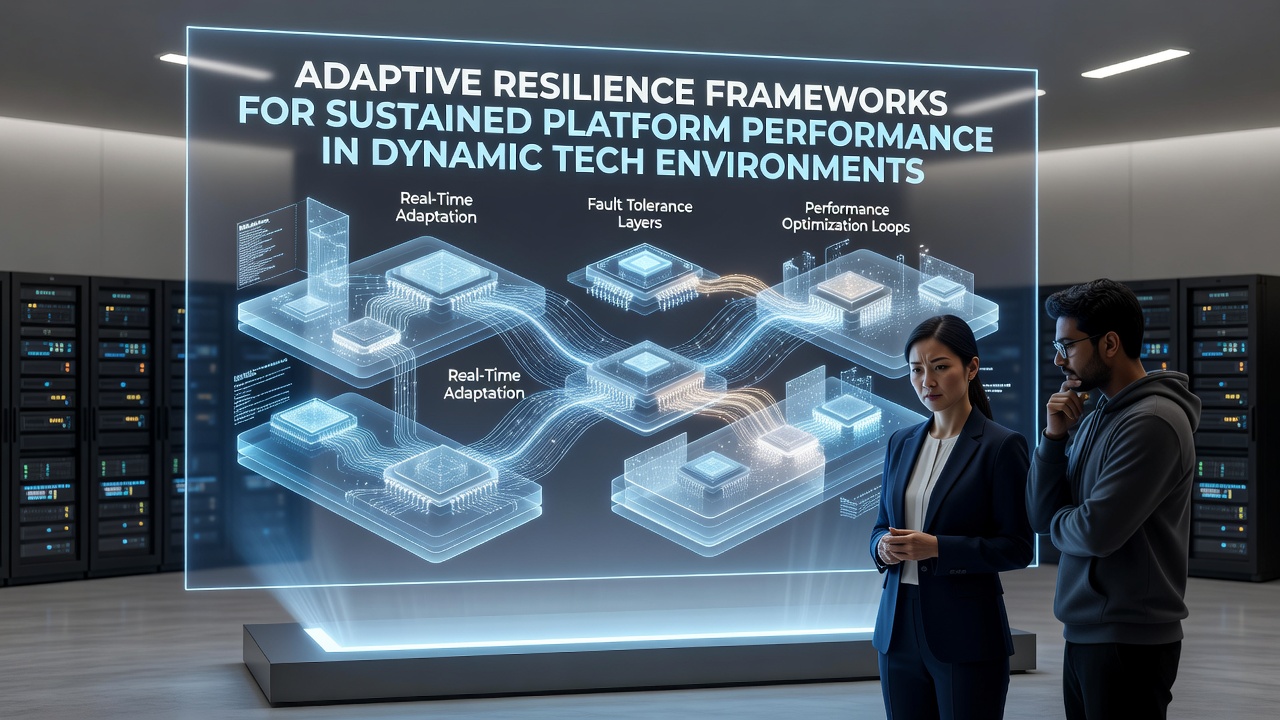
Adaptive resilience frameworks consist of structured approaches that organizations deploy to maintain consistent platform performance amid shifting technological conditions, and these systems integrate monitoring tools, automated responses, and layered redundancies to address disruptions before they escalate. Researchers at institutions focused on information technology have documented how such frameworks evolved from basic disaster recovery models into proactive architectures that adjust in real time, and data from industry reports indicate adoption rates climbed steadily through 2025 as cloud-native environments expanded.
Core Elements of These Frameworks
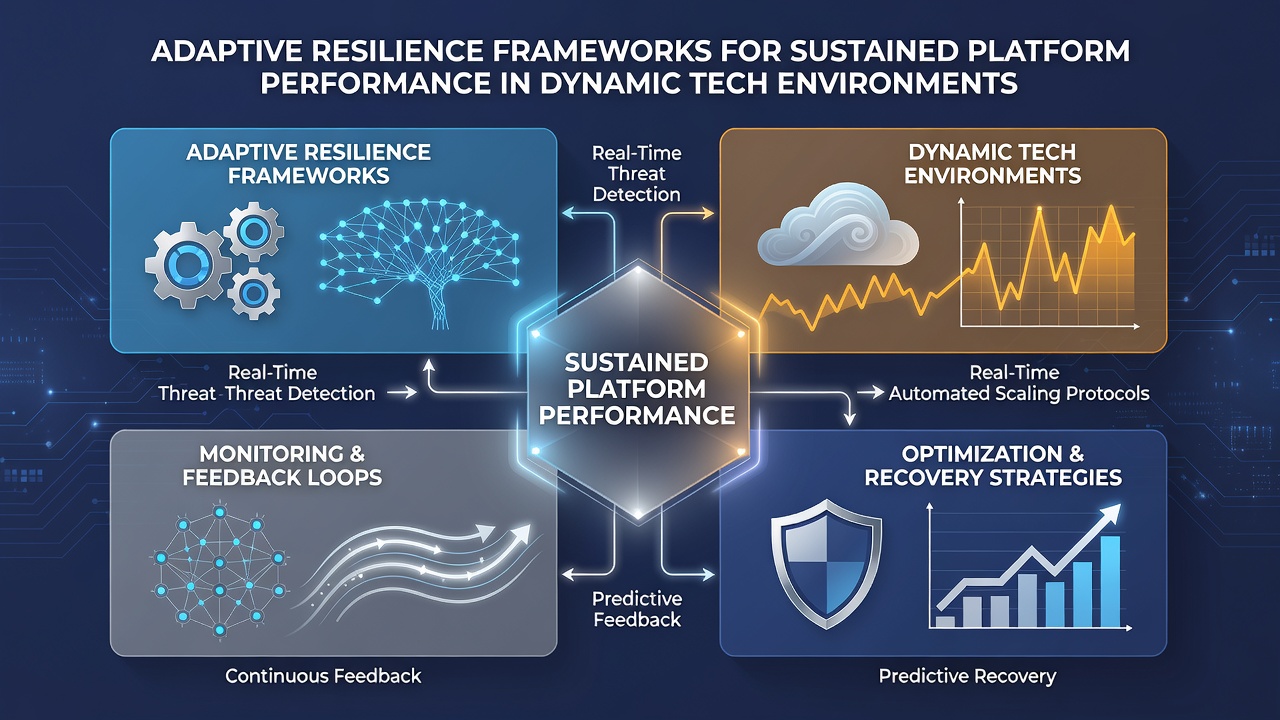
Observers note that successful implementations typically combine continuous telemetry collection with predictive analytics, while redundancy protocols operate across multiple availability zones and edge locations, and automation scripts trigger failover sequences when thresholds cross predefined limits. Studies conducted by academic groups in North America highlight that platforms using these combined elements experienced fewer service interruptions during network congestion events, and figures from the same analyses show recovery times shortened by measurable margins compared to static setups. Experts emphasize that governance layers within the frameworks define escalation paths and assign responsibilities across teams, which prevents gaps when multiple components interact under load.
One study revealed that organizations incorporating machine learning models for anomaly detection achieved earlier identification of performance drifts, and those models trained on historical logs allowed platforms to reroute traffic dynamically without manual intervention. Data shows integration with orchestration tools like Kubernetes enables scaling that aligns with demand spikes, whereas isolated monitoring solutions often leave gaps during rapid changes in user patterns.
Implementation Approaches Across Sectors
Teams in financial services sectors have applied these frameworks by embedding resilience testing into continuous integration pipelines, and reports from regulatory bodies in the European Union describe how stress simulations run quarterly to validate response capabilities. Australian government guidelines on digital infrastructure, published through official channels, recommend mapping dependencies between microservices before deployment, and this practice helps identify single points of failure that could affect sustained uptime. Implementation often begins with baseline assessments that quantify current latency and throughput under varied conditions, after which iterative refinements occur based on collected metrics.
What's interesting is how cross-regional teams coordinate during incidents, and communication protocols standardized through industry consortia reduce response delays when distributed systems span multiple time zones. Research indicates that platforms adopting hybrid cloud strategies benefit from frameworks that enforce consistent policies across providers, and this consistency supports performance even when one provider encounters regional outages. Figures released in September 2026 from a multinational technology consortium revealed that enterprises running quarterly tabletop exercises reported higher confidence in their recovery procedures compared to those relying solely on automated alerts.
Monitoring and Adjustment Mechanisms
Continuous monitoring forms the foundation, yet adjustment mechanisms rely on feedback loops that refine thresholds over successive cycles, and this iterative process allows frameworks to adapt to new threat vectors or workload characteristics without full redesigns. According to documentation from standards organizations, telemetry data feeds into dashboards that surface trends across infrastructure layers, while alert fatigue decreases when correlation engines filter noise from genuine incidents. Observers have recorded that platforms integrating these loops maintained service levels during peak events in 2025, and the same records show reduced manual escalations as automation matured.
But here's the thing: alignment between development and operations teams proves essential, and shared metrics encourage joint ownership of resilience targets. Evidence from case analyses demonstrates that organizations embedding resilience objectives into project roadmaps encountered fewer post-deployment issues, and this pattern held across both large enterprises and mid-sized deployments.
Challenges in Sustaining Performance
Complexity grows when frameworks span legacy systems alongside modern services, and compatibility issues can arise during updates that alter underlying dependencies. Data from research papers indicate that skill gaps in interpreting advanced analytics outputs sometimes slow adoption, yet training programs offered through professional associations address these shortfalls over time. Regulatory requirements in various jurisdictions add layers of documentation that must accompany any changes to resilience controls, and compliance verification often occurs through third-party audits scheduled at regular intervals.
Conclusion
Adaptive resilience frameworks continue to evolve alongside advancements in distributed computing and artificial intelligence, and organizations that maintain these systems report steadier platform performance across fluctuating conditions. Ongoing research from global institutions supports further refinement of predictive components, while practical deployments demonstrate measurable gains in uptime and response efficiency. As environments shift through 2026 and beyond, these structured approaches provide the mechanisms needed to sustain operations without interruption.