Riley Coleman · 6 September 2026
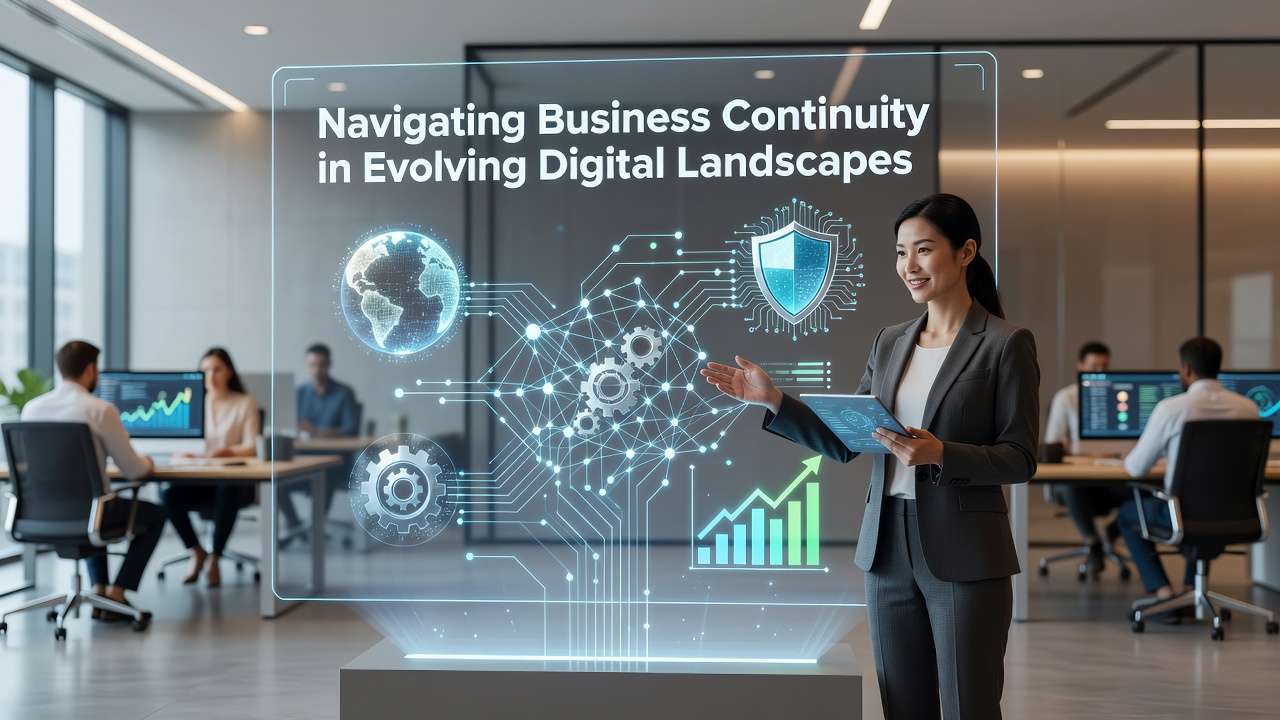
Navigating Business Continuity in Evolving Digital Landscapes
Organizations maintain operations through digital transformation by building layered continuity plans that address cyber threats, cloud dependencies, and regulatory shifts. Researchers at institutions like the National Institute of Standards and Technology track how companies integrate these plans into daily workflows, and data from their contingency planning frameworks shows measurable reductions in downtime when protocols update regularly. Companies rely on hybrid cloud environments more than ever, which creates both flexibility and exposure points. According to reports from the European Union Agency for Cybersecurity, businesses that segment data across multiple providers experience fewer cascading failures during outages. Those who've studied this pattern note that real-time monitoring tools now detect anomalies within minutes rather than hours, allowing teams to reroute workloads before full disruptions occur.Core Components of Modern Continuity Strategies
Business continuity rests on several interconnected elements that evolve alongside technology. Risk assessments form the foundation, where analysts map potential failure points in networks, applications, and supply chains. Data indicates that organizations conducting quarterly reviews adapt faster to new vulnerabilities than those relying on annual checks alone.
Backup and recovery systems have shifted from simple tape storage to automated, encrypted cloud replicas distributed across regions. This approach supports rapid restoration, and figures from industry studies reveal average recovery times dropping below four hours for well-prepared entities. Training programs complement these systems by ensuring staff recognize phishing attempts and follow escalation procedures during incidents.
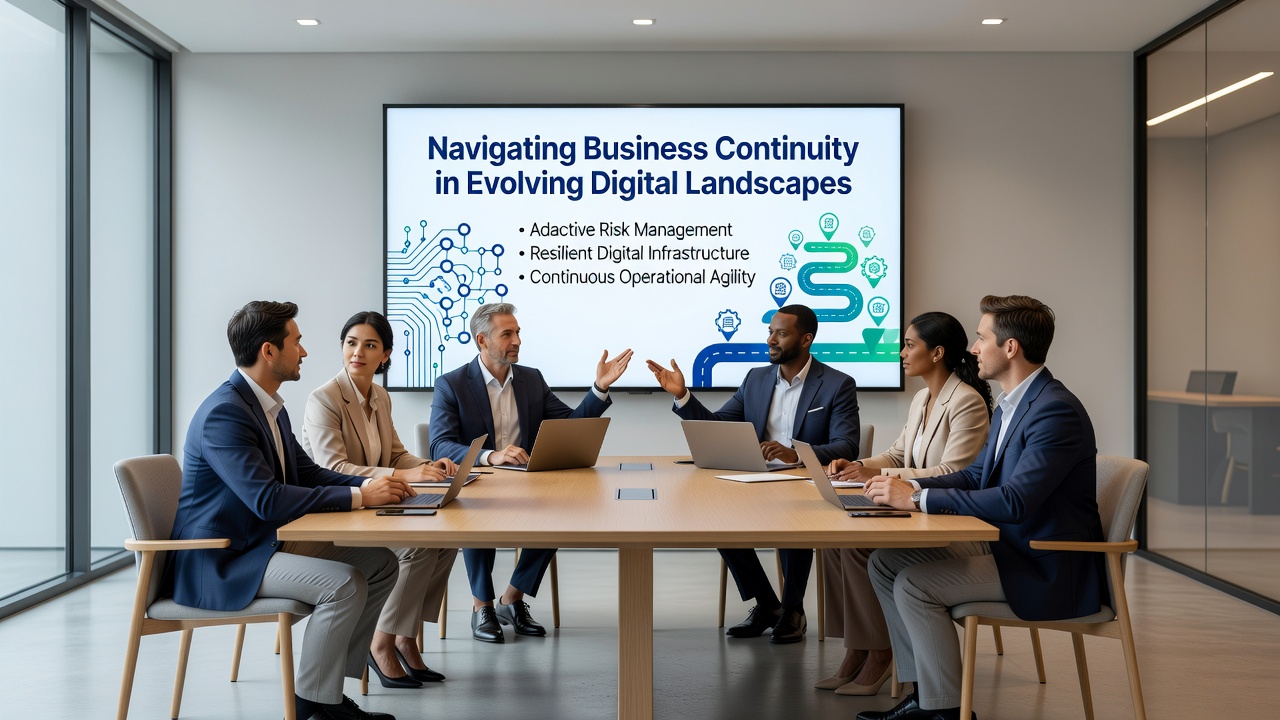
Adapting to Emerging Technologies and Regulations
Artificial intelligence tools now assist with predictive maintenance and threat detection, yet they introduce new variables around data integrity and model reliability. Observers note that companies testing AI-driven continuity simulations in controlled environments identify gaps earlier than traditional tabletop exercises allow. By September 2026, updated compliance requirements from bodies such as the Australian Cyber Security Centre are expected to emphasize AI governance within continuity documentation.
Remote work arrangements add another layer, as distributed teams depend on secure access protocols and virtual private networks. Research from academic sources highlights that firms enforcing multi-factor authentication across all endpoints reduce unauthorized access incidents by significant margins. Those who've studied this transition point out that bandwidth management and endpoint visibility remain critical for maintaining service levels during peak events.
Case Examples from Recent Implementations
Take one logistics firm that experienced a major provider outage in early 2025. By maintaining mirrored operations on a secondary platform and running automated failover tests monthly, the company restored full functionality within ninety minutes. External auditors later confirmed the continuity plan aligned with international standards and prevented revenue losses estimated in the millions.
Another example involves a healthcare network that integrated blockchain elements for record verification during system migrations. This method preserved audit trails while allowing seamless patient data access across facilities, and subsequent evaluations showed improved compliance scores with data protection rules in multiple jurisdictions.
Measuring Effectiveness and Future Outlook
Metrics such as recovery time objectives and recovery point objectives guide ongoing refinements, with dashboards providing leadership teams clear visibility into performance. Data shows that organizations publishing internal continuity reports annually foster greater cross-departmental coordination and faster response times overall.
Conclusion
Business continuity in digital landscapes requires ongoing alignment between technology investments, human processes, and external requirements. Organizations that embed these practices into core operations position themselves to handle disruptions without extended interruptions, and available evidence from regulatory and research sources continues to support structured, tested approaches as the most reliable path forward.