Riley Coleman · 18 October 2026
Seasonal Data Cycles Shaping Platform Adaptability in Tech Ecosystems
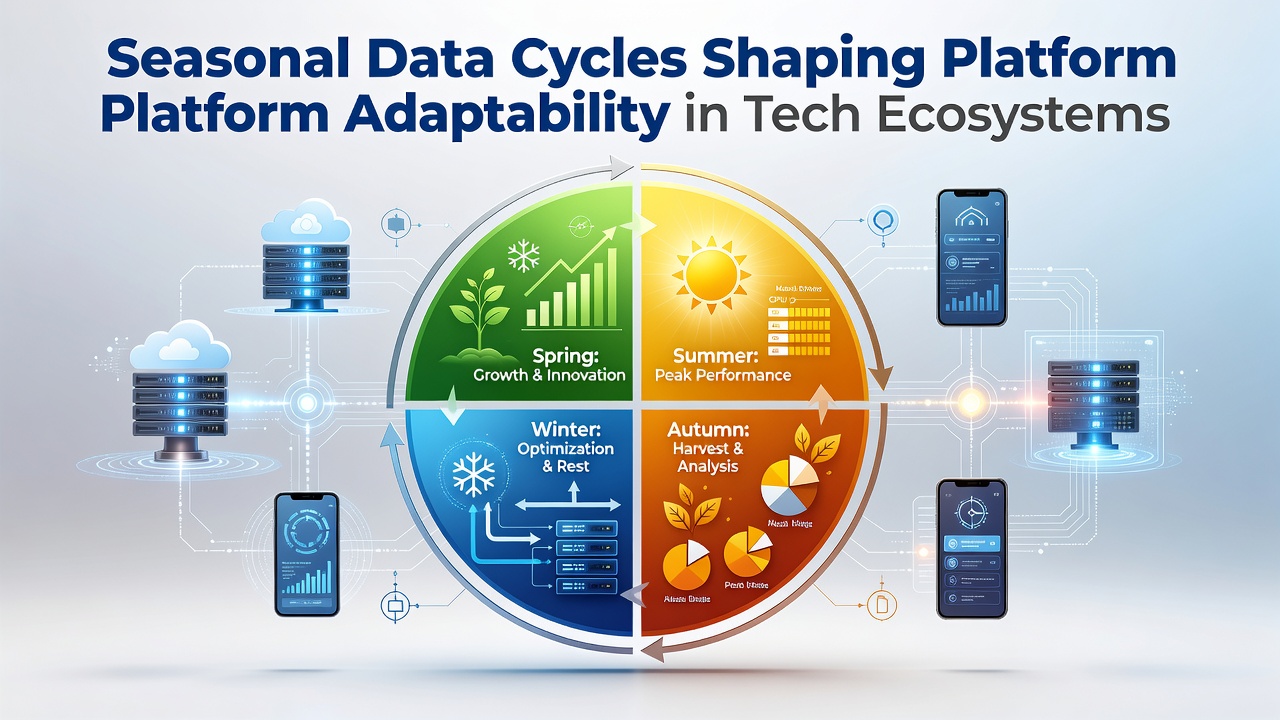
Tech ecosystems experience recurring shifts in data volume and user behavior that align with calendar seasons, and these patterns force platforms to adjust their infrastructure and algorithms accordingly. Data from cloud service providers indicates that traffic spikes during winter months in the northern hemisphere often reach 40 percent above annual averages, driven by increased streaming, online shopping, and remote work activity. Platforms respond by reallocating compute resources weeks in advance, since sudden surges can strain storage systems and increase latency if left unaddressed.
Recognizing Recurring Patterns in User Activity
Observers note that seasonal data cycles emerge from predictable human routines such as back-to-school periods, holiday shopping windows, and summer travel seasons. Research compiled by the OECD shows that e-commerce transaction logs exhibit consistent quarterly rhythms, with Q4 volumes typically exceeding Q2 figures by margins of 25 to 35 percent across multiple regions. These rhythms affect not only volume but also the types of data generated, because users shift from mobile browsing in summer to desktop sessions during colder months when people spend more time indoors. Platform operators therefore track metadata tags that signal device type and location to forecast upcoming load changes with greater accuracy.
Scaling Infrastructure to Match Demand Fluctuations
Adaptability becomes essential when data ingestion rates change rapidly, and companies achieve this through automated orchestration tools that spin up additional servers in targeted geographic zones. A study released by Statistics Canada documented how Canadian fintech platforms increased their virtual machine counts by an average of 60 percent during November and December 2025 to handle tax filing and year-end banking queries. Such adjustments rely on historical telemetry rather than real-time reactions alone, allowing systems to pre-position content delivery nodes closer to expected user clusters. When these preparations align with actual demand, latency remains stable and operational costs stay within budgeted thresholds.
Algorithmic Adjustments for Seasonal Bias
Machine learning models trained on one season's data frequently underperform when applied to another, prompting developers to implement seasonal retraining schedules. Evidence from academic papers published in IEEE journals reveals that recommendation engines lose up to 18 percent accuracy during transitions between spring and summer if they do not incorporate time-stamped features. Engineers address this by weighting recent seasonal data more heavily in model updates, while older records serve as baseline comparisons. The result is smoother personalization that accounts for shifts in content consumption, such as the rise in educational video views each September adn the corresponding drop in fitness app engagement during winter holidays.
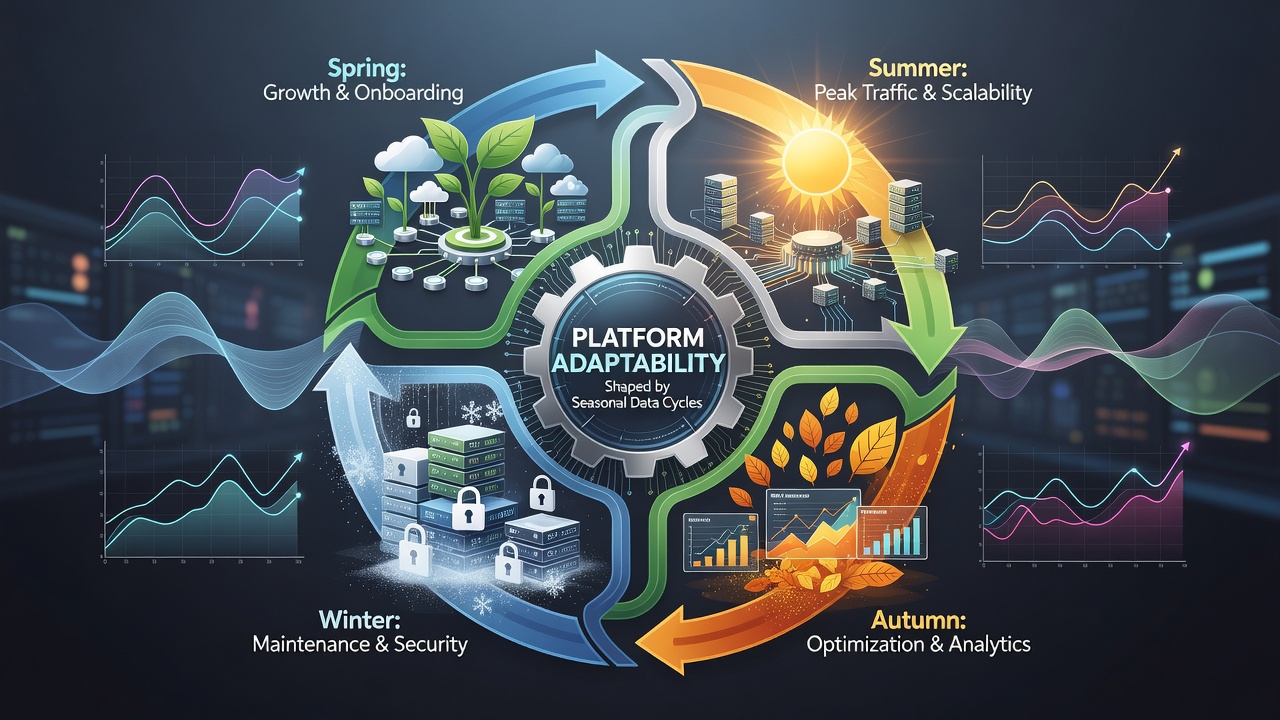
October 2026 marks an early window when many organizations begin testing holiday-season capacity plans, because historical records show that preparatory data modeling completed in this month reduces last-minute scaling events by nearly half. Teams review telemetry from the previous three years to identify anomalies, then simulate load scenarios that replicate Black Friday and Cyber Monday traffic patterns. This proactive approach prevents the cascading slowdowns that once occurred when unprepared systems encountered unexpected query volumes.
Cross-Regional Coordination and Data Governance
Global platforms must reconcile differing seasonal calendars across hemispheres, since summer peaks in Australia coincide with winter troughs in Europe. Coordination protocols developed by the Asia-Pacific Economic Cooperation forum encourage shared forecasting frameworks that allow operators to shift workloads between data centers located in opposite seasons. Compliance teams simultaneously monitor regulatory requirements that vary by jurisdiction, ensuring that seasonal data retention policies meet local standards without disrupting cross-border analytics pipelines. These governance layers add complexity but also create opportunities for more resilient architectures that treat seasonal cycles as design parameters rather than external shocks.
Conclusion
Seasonal data cycles continue to influence how technology platforms allocate resources and refine their predictive models. Organizations that integrate historical patterns into automated scaling systems maintain consistent performance across calendar shifts, while those relying solely on reactive measures encounter repeated bottlenecks. Continued monitoring of these cycles supports long-term adaptability, and the practices refined through repeated seasonal events form the foundation for handling future variations in user behavior and data intensity.