Mara Krause · 4 October 2026
The Intersection of Adaptive Growth Patterns and Platform Sustainability in Evolving Digital Ecosystems
Digital ecosystems continue to expand through networks of interconnected platforms that adjust their operations based on user demand, resource availability, and external pressures, while sustainability requirements push these same systems toward long-term viability without excessive resource depletion. Researchers have tracked how adaptive growth patterns emerge when platforms incorporate feedback loops that scale services dynamically, and these mechanisms intersect with sustainability goals when energy consumption, data storage, and infrastructure maintenance align with measurable efficiency targets. Studies from multiple regions show that platforms which integrate adaptive algorithms often achieve better resource allocation over time, as evidenced by reports tracking cloud service providers across North America and Europe.
Adaptive Growth Patterns in Digital Platforms
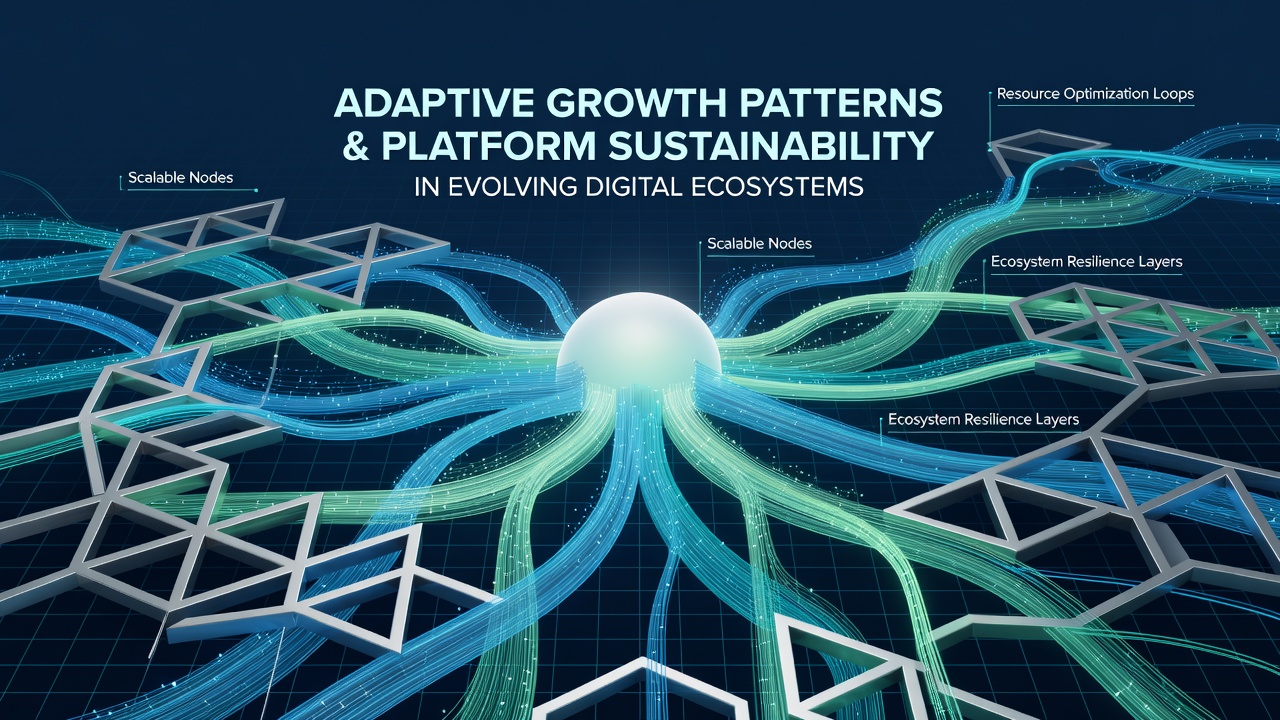
Adaptive growth patterns appear when platforms respond to fluctuating inputs by modifying their architecture and service delivery in real time, and observers note that machine learning models play a central role in predicting demand spikes while reallocating compute resources accordingly. Data from the OECD indicates that digital transformation initiatives in member countries have accelerated the adoption of such patterns since 2023, with platforms in sectors like e-commerce and content delivery showing measurable improvements in uptime and user retention when they employ predictive scaling. Those who analyze these systems find that growth occurs not through unchecked expansion but through iterative adjustments that balance speed and capacity, allowing platforms to handle increased loads without proportional increases in hardware deployment.
One study revealed patterns in how recommendation engines on major streaming services adapt their models daily based on viewing data, which in turn influences bandwidth usage and server loads across distributed networks. Experts have observed that these adaptations reduce waste when they incorporate constraints on energy draw, creating a direct link to sustainability outcomes. In October 2026, industry analyses showed continued refinement of these models, particularly in regions where regulatory frameworks emphasize carbon accounting for data centers.
Platform Sustainability Metrics and Practices
Platform sustainability depends on tracking metrics such as power usage effectiveness, water consumption for cooling, and the lifecycle of hardware components, and government agencies in Australia and Canada have published guidelines that encourage platforms to report these figures annually. Research indicates that platforms adopting renewable energy sources for their data centers maintain operational stability while lowering emissions, with figures from the European Environment Agency revealing gradual shifts in several member states toward greener infrastructure. Those managing large-scale systems discover that sustainability improves when adaptive mechanisms prioritize low-impact pathways during off-peak periods, which reduces overall strain on electrical grids.
Turns out these practices gain traction when platforms share anonymized performance data through industry consortia, allowing collective benchmarking that highlights effective strategies without revealing proprietary details. A report from the National Institute of Standards and Technology in the United States outlines frameworks for measuring sustainability that incorporate adaptive elements, and platforms following these approaches report consistent progress in efficiency ratings. What's interesting is how hardware refresh cycles now factor in energy performance gains, leading to phased replacements that align with growth projections rather than fixed schedules.
Intersections and Emerging Dynamics
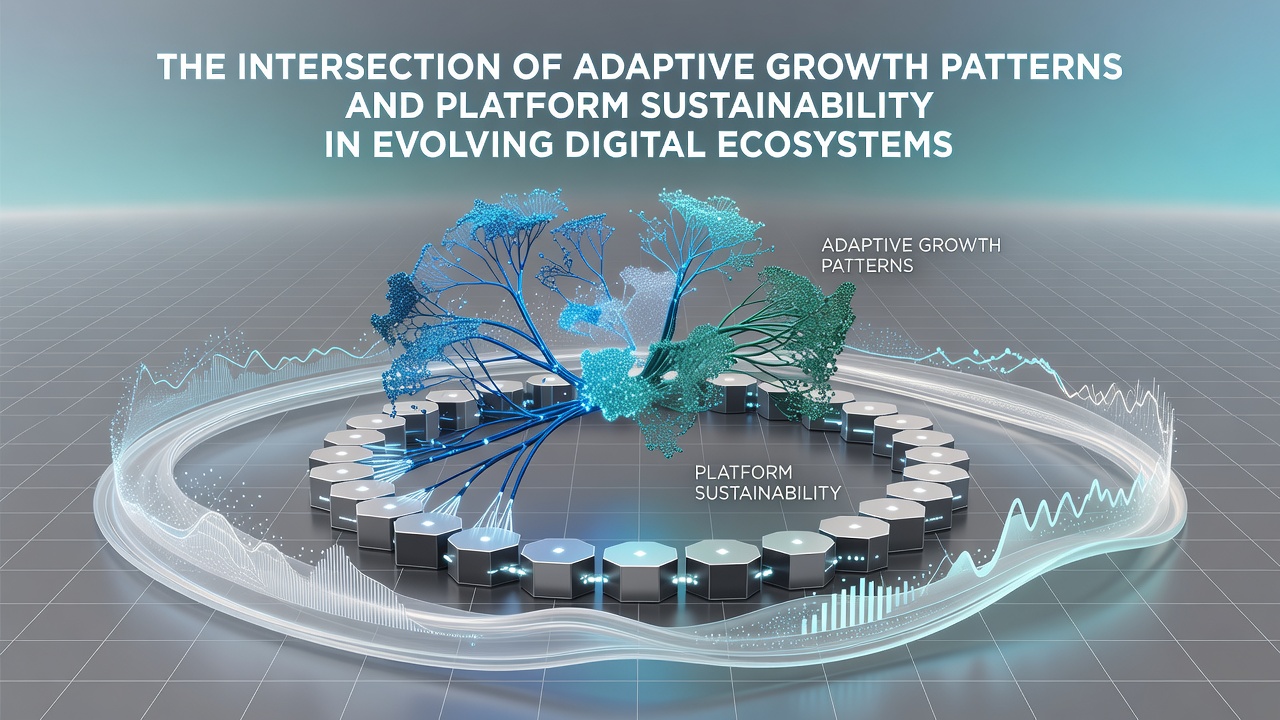
The intersection becomes evident when adaptive growth algorithms incorporate sustainability variables as core inputs, which means scaling decisions factor in carbon intensity of available power sources alongside traditional latency and cost metrics. Observers note that platforms in Asia-Pacific regions have tested hybrid models where growth phases trigger automatic shifts to lower-emission regions for certain workloads, and preliminary data shows these tactics maintain service levels while cutting emissions. Researchers discovered through case examinations that such integrations require robust monitoring tools capable of real-time adjustments, and organizations that invest in these tools see compounding benefits over multi-year periods.
But here's the thing: external factors like policy changes and supply chain disruptions can accelerate or hinder these intersections, as seen when semiconductor shortages in prior years prompted platforms to optimize existing resources more aggressively. Evidence suggests that platforms combining adaptive patterns with sustainability targets achieve resilience against market volatility, since they avoid overcommitment to single infrastructure types. Those who've examined ecosystem-level data point to collaborative standards emerging from groups like the World Economic Forum, which facilitate knowledge transfer across borders on effective practices.
Conclusion
Digital ecosystems evolve through the combined influence of adaptive growth and sustainability requirements, and the evidence accumulated up to October 2026 demonstrates that platforms integrating both elements maintain functionality across varying conditions. Continued monitoring by regulatory bodies and research institutions will shape how these intersections develop, providing data that informs future platform design without prescribing specific methods.